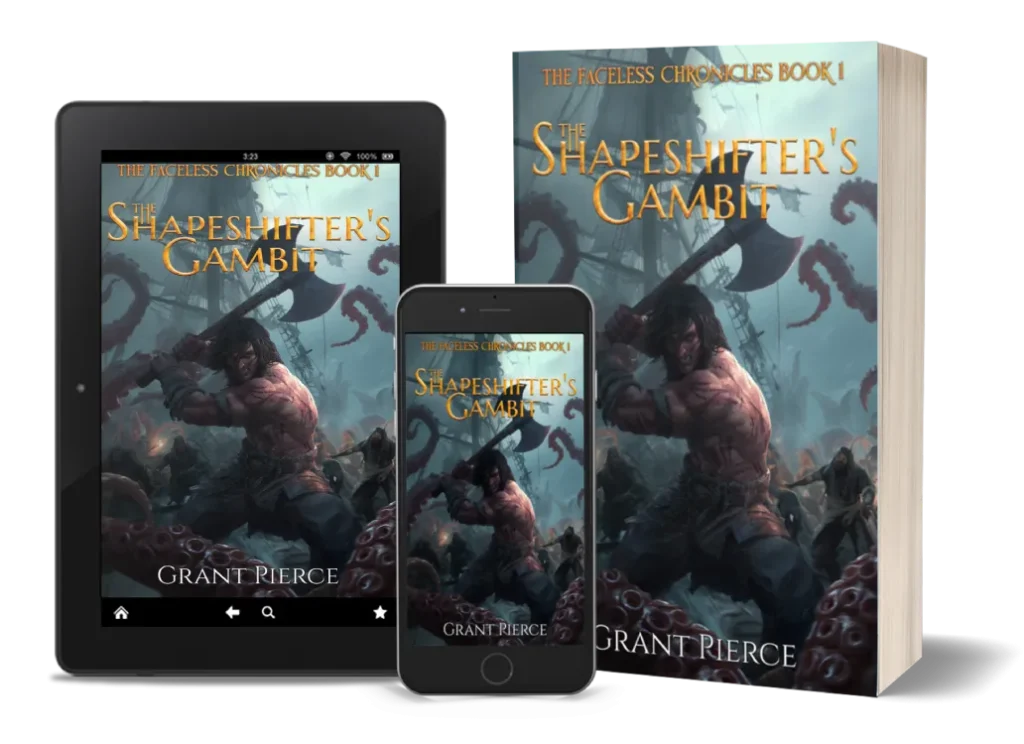
The Dark Side That Makes Heroes Shine
Heroes are boring. Villains are why we can’t put a story down.
In general, most heroes and villains follow archetypes discussed in the last blog post.
Most writers obsess over their heroes. However, the truth is that a hero’s appeal is far less critical than the villain’s persona.
How can this be? Let’s break down why villains are the secret engine behind every great story.
Batman & Joker: Chaos vs. Order
Take Batman. Bruce Wayne’s origin is tragic: his parents are murdered before his eyes, and he dedicates his life to fighting crime. He trains his body and mind, crafts gadgets, drives the Batmobile (granted, it’s impressive), but none of that alone would make Batman a cultural icon.
Enter the Joker. His origins are mysterious (even he doesn’t know what his life was before he took a chemical bath), and his motives are pure chaos. He doesn’t want money or power. He just wants to watch the world burn. Batman and Joker are polar opposites (order vs. chaos), but each defines the other. Without the Joker, Batman would just be a glorified ninja, dressed like a bat, who carries a utility belt with Bat-Shark Repellant. With his arch-nemesis, every story crackles with tension, danger, and moral complexity.
Even Batman’s rogues’ gallery—Riddler, Bane, Penguin, Catwoman—keeps the Dark Knight creative, forcing him to evolve in every arc. Villains aren’t just obstacles. They’re mirrors, testing heroes and forcing them to ignore their limits.
Superman & Lex Luthor: Mind vs. Muscle
Superman is nearly invincible—a god among humans. On paper, that sounds interesting. In practice, it is difficult to keep it interesting. Don’t believe me? Try playing a video game on “God Mode” and see how long it keeps your interest. Few enemies can match Superman’s strength, and “punching your way to victory” isn’t compelling long-term.
Here comes Lex Luthor: a mortal mind pitted against a god. Lex forces Superman to think, strategize, and confront moral dilemmas he can’t simply muscle through. When heroes face an antagonist who challenges them intellectually, morally, or emotionally, their story becomes gripping. Colliding worlds make for unforgettable conflict.
Luke Skywalker & Darth Vader: Fear and Transformation
Luke starts as a naïve farm boy. By himself, he’s… well, a kid on a planet far, far away. Darth Vader changes everything. Vader’s fearsome presence, moral rot, and shocking reveal as Luke’s father give the story stakes, tension, and meaning. Luke’s journey is only compelling because Vader is the shadow he must confront and, ultimately, the challenge that forces his growth.
Harry Potter & Voldemort: The Chosen One’s True Test
Harry Potter is gifted, lucky, and often coasts through magical challenges. On his own, he might be forgettable. Voldemort makes Harry interesting. Targeting him as The Boy Who Lived, the Dark Lord forces Harry into conflict, bravery, and sacrifice. Without Voldemort, Harry’s story is just a boy with a lightning bolt scar. With him, the wizarding world—and readers—lean in.
Why Villains Matter More Than Heroes
Look across iconic heroes. Frodo, Eragon, Neo, Sarah Connor, and so on. The pattern repeats. A protagonist without a villain is a sword with nothing to cut. A hero only reveals their true self when tested, pushed to the edge, or forced to confront their flaws.
In this way, a villain does three essential things:
- Define what the hero must become
Without a threat, there’s no growth. Frodo stays a hobbit. Harry lives under the stairs. Eragon continues on the farm. The villain drags them into the fire and forces a transformation. - Expose the hero’s flaws
A good villain attacks the weaknesses the protagonist hides. Batman’s obsession with his “no kill” rule. Neo’s need for freedom. Harry’s sacrificing nature. No villain, no pressure. No pressure, no truth. - Make the stakes real
Worlds don’t need saving unless something threatens them. Villains make the conflict tangible. Without them, a hero’s victories feel hollow.
The Takeaway
Strong villains are mirrors. They show the dark versions of what a hero could become. They force evolution, improvisation, and struggle.
A hero with no villain is scenery.
A hero with a worthy villain is a story.
What opens a compelling story? Stay tuned for next week’s blog post!
Similar posts
The Chosen One Trope: How It Shapes Stories, Fantasy, Sci-Fi, and Beyond
Archetypes and Prototype Violations: The Secret Sauce of Fantasy Storytelling
— The Newsletter —
Join The Watchers and Receive a Free Excerpt!
Be among the first to receive insider updates, claim ARC review copies, glimpse excerpts from upcoming books, witness early reveals, and unlock secret discount codes. Every secret begins with a whisper—and the Watchers hear them first.